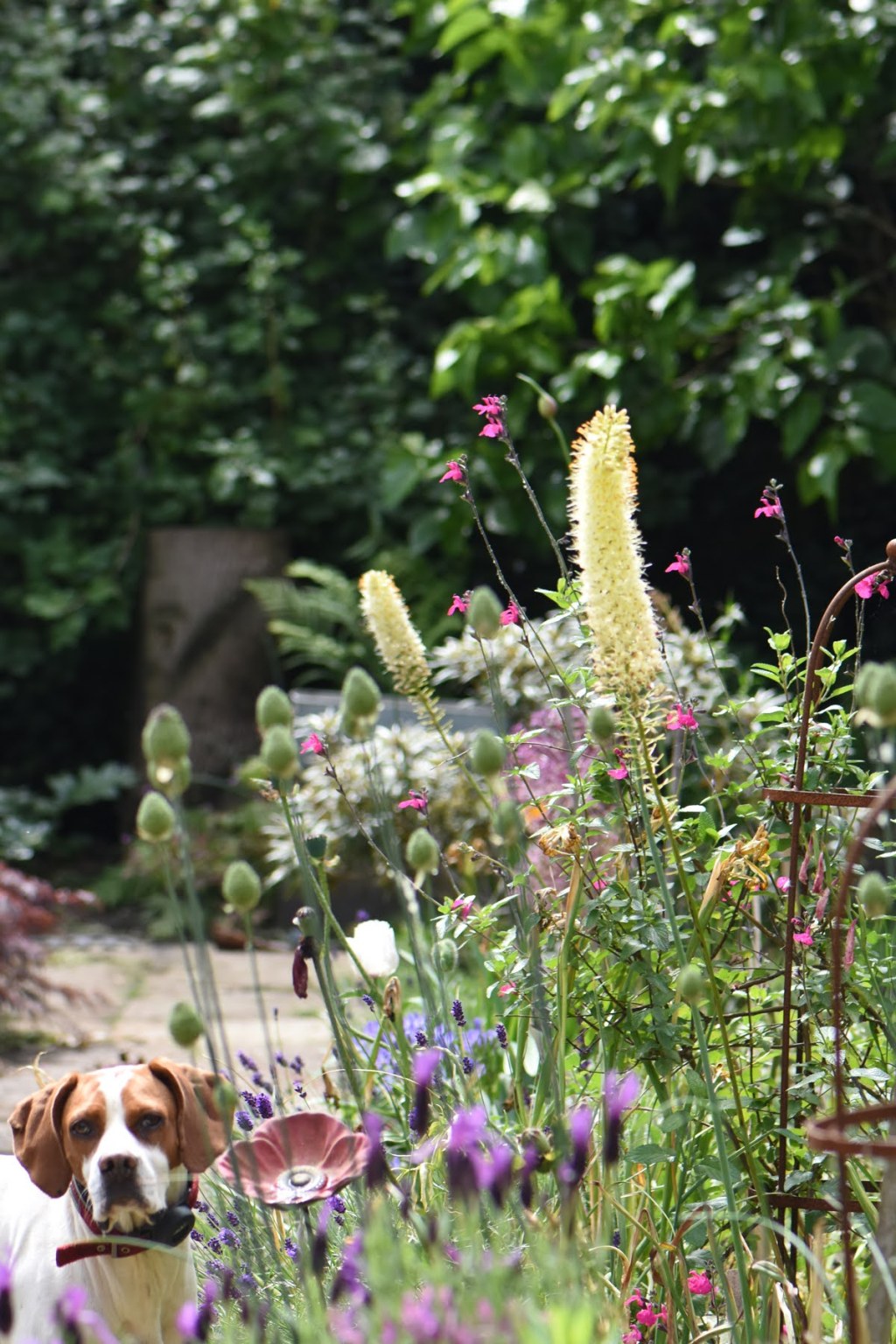
Why we should focus on the regeneration of the plants we already have.
When we plant tulips, we hope they will return next year, but most don’t. The elusive “perennial tulip” is a difficult promise, and we very cautiously recommend a few that are more likely to return than others. I mention tulips because I am regularly asked about perennial varieties. Why should it matter and why are they so important?
The fault of the tulip is also the reason it is such a successful crop. After a tulip finished flowering it divides into smaller bulbs. These smaller bulbs are not big enough to flower again next year. But by dividing into smaller bulblets, it creates its own planting stock. It has not been a crafty ploy by the industry to make customers buy new stock each year. However, increasing demands for tulips become an environmental issue.
Gardens are a small part of a much larger horticultural system. The flower industry involves growing, shipping, and selling flowers on a vast scale to supply not only your garden but also the cut flower trade and larger landscaping projects. In that extensive economy, price often outweighs principles. Gardeners like to see themselves as environmentally friendly, but only a small number are truly cultivating in an eco-conscious manner. The average gardener should consider their sources for plants and their actual needs.
The Industry Reality
Bulb growers are already under pressure. Land is limited. Labour is costly and increasingly difficult to find. Regulations surrounding chemical use are tightening; pesticides and fertilisers must be justified and recorded. Many growers are experimenting with natural soil enrichment and biological pest control, but these methods come with their own challenges. Progress is being made but the size of the bulb industry means it will never be quick or easy. And while your bulbs might contain faint traces of the fertilisers or treatments used during production, none of them would reach your garden if they were actually harmful. Most residues diminish over months, even more quickly in healthy soil. This means that over time, as bulbs naturalise and settle in, you’re effectively growing something cleaner each season. That’s the quiet magic of perennials: they improve as they stay put.
Why Perennials Matter
This is why perennial bulbs should be a greater focus. They divide, self-seed, and return with minimal help. Once established, they require almost nothing from you, except perhaps dividing to create more space and occasional mulching. Perennials aren’t just easy; they’re economical, ecological, and deeply satisfying. They reduce delivery miles, lessen demand on growers, and save you the trouble (and cost) of purchasing new plants each year. This aspect of gardening has been widely forgotten, as garden centres offer a broad and competitive selection of plants. The lively gardening community on social media is boosting demand for unusual or elaborate gardens. Consumers often buy plants for immediate results or luxury, without fully understanding their garden’s needs or the plants’ requirements. A very common complaint among non-gardeners is that they kill many plants. Likely, it’s because they are sold the wrong plants from the start. Choosing plants based on your knowledge and understanding of soil, light, and water retention should be your first step in creating a garden. It may exclude new gardeners, but it’s a vital lesson to learn! Planting perennials is an act of patience. You’re investing initially in something that will reward you in the long run. It’s the opposite of instant gardening, and that’s exactly the point.
Care Without Fuss
“Perennial” doesn’t mean “hands-off.” Even the most stoic bulbs have their limits. Clumps get crowded and need dividing; tired soil benefits from mulch or compost. Deadheading helps conserve energy for next year’s flowers. But these are gentle acts — maintenance, not consumption. The difference is philosophical as much as practical: you’re tending something that already exists, not buying something new to replace what’s gone. In return, your plants adapt to your garden. They find their rhythm, set their roots, and start to behave like locals. The longer they stay, the better they fit. You’ll often find that moving plants around the garden can improve their chances. There are so many subtle microclimates within one garden but it can make a lot of difference.
The Social Side of Sustainability
One of the most charming quirks of gardeners is their generosity. We can’t resist giving things away; a spare seedling, a handful of cuttings, a bag of divided bulbs. The more perennial your garden becomes, the more it invites sharing. Join a garden club or a plant swap, and you’ll see how lively the ecosystem of generosity is. Sustainability doesn’t have to be serious; it can look like a happy afternoon exchanging bulbs over cups of tea. Every plant passed from one garden to another is one less shipped halfway across Europe in a refrigerated lorry. That’s not a small accomplishment.The Beauty of EnoughIn the end, sustainable gardening isn’t about guilt. It’s about balance. Use what you have. Grow what lasts. Share what multiplies. You’ll still be tempted, of course. There will always be some new, beautiful thing calling your name from a catalogue. Go ahead, indulge, within reason. Just remember that a truly sustainable garden doesn’t demand constant novelty. It rewards care, continuity, and restraint. So plant your perennials, divide them, pass them on. Let them settle in. The longer they stay, the less they need.
And back to tulips
You can replant last year’s bulbs. Divide them into groups. Some might be okay, while others could take a year to grow larger. Very small bulbs are at high risk of drying out or rotting. Plant them, but don’t expect to see results unless conditions are perfect. It will require a big commitment, and I personally don’t have the time for it, but that doesn’t mean you shouldn’t try. It’s the best way to improve your gardening skills.
Read more
I mention a lot about the industry, however, I am not a grower and my personal experience of this is very limited. See my next blog which are references relating to the concerns of the industry, the chemical impacts of fertilisers and pesticides.
 Stephen Teeuw
Leave a comment